
The Quiet Systems That Drive Loyalty
Great experiences create satisfaction, but simple systems can help influence whether someone actually comes back.
Part 4 of 4 in Why Diners Don’t Come Back
- 1. The Second Visit Isn't Automatic
- 2. The Math of Repeat Revenue
- 3. What Actually Increases Repeat Visits
- 4. The Quiet Systems That Drive Loyalty
When I was waiting tables, I assumed that good food, good service, and a smooth shift would bring a happy guest back. Looking at restaurants later through the wider small-business context made me question that assumption.
A good visit can create satisfaction without establishing what will influence the next choice of restaurant. The work between those visits deserves attention alongside the experience at the table.
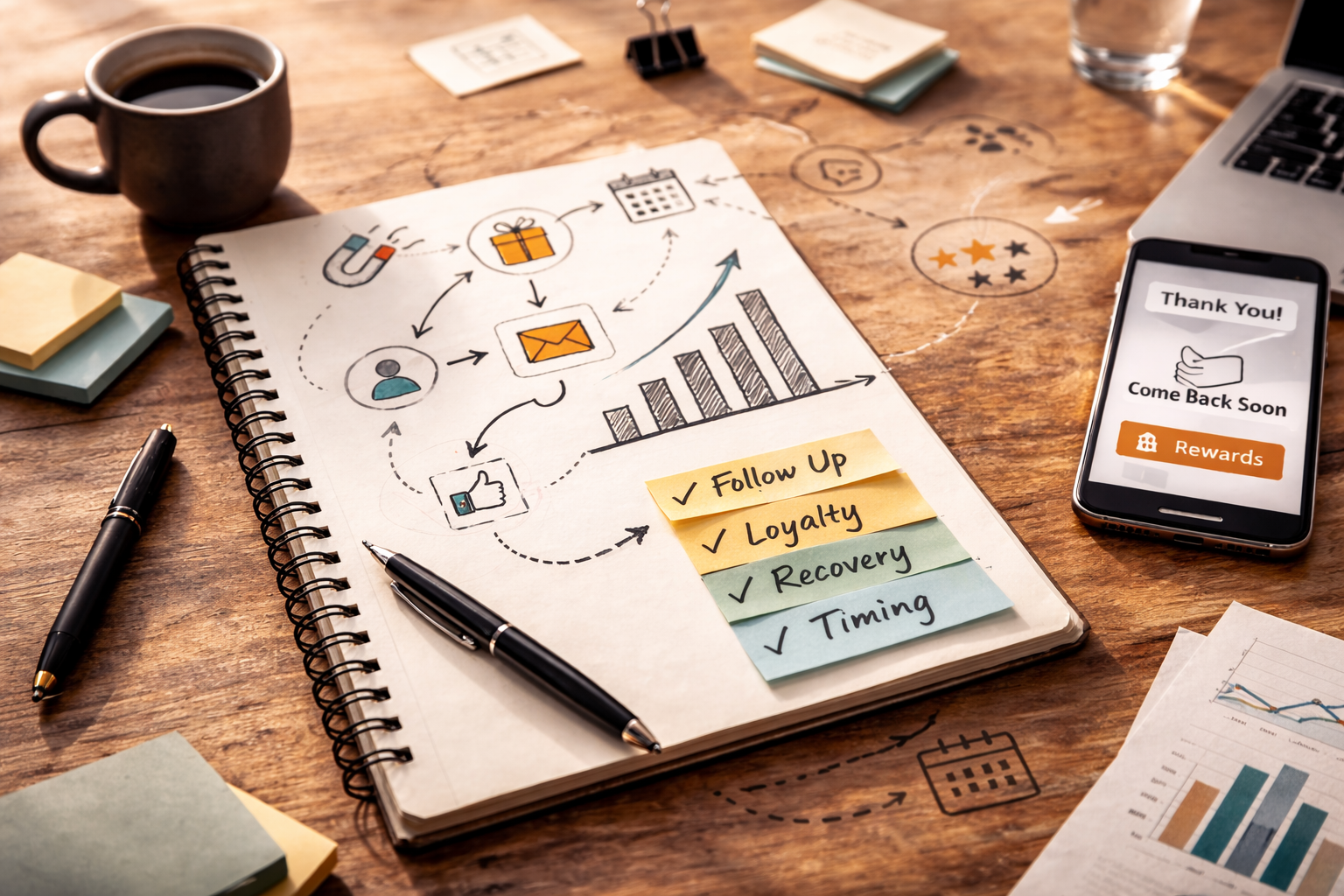
The Gap Between a Good Night and a Second Visit
Restaurants put considerable effort into training, food, bottlenecks, and the rush because those shape what a guest experiences. Once the guest leaves, the business has fewer immediate signals about what happens next.
Time passes, other options appear, and a guest may forget an experience they enjoyed. A reminder, recognition, or a relevant reason to return gives the business another opportunity to support that decision.
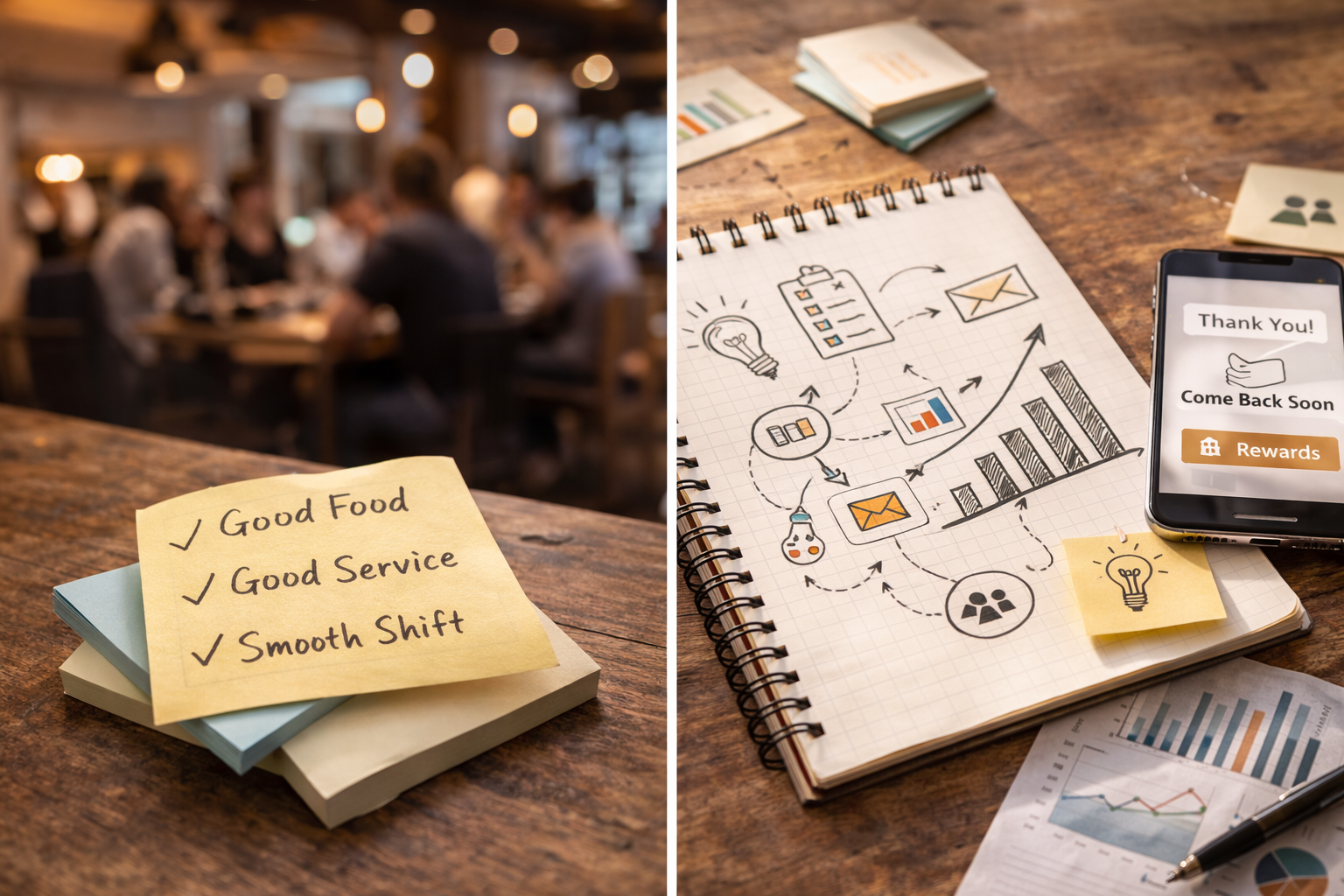
Remembering the Guest Instead of Hoping They Remember You
Remembering the guest gives the restaurant something more practical to work with than hoping to be remembered. That doesn't require complicated technology or invasive tracking; even a basic understanding of return timing can help identify a useful follow-up.
Some guests come back within a couple of weeks, some drift after a month, and others respond to a particular occasion or offer. Recognizing those patterns gives you a basis for testing an approach without assuming every guest behaves the same way.
Small Signals Add Up
Earlier in this series, I used simplified repeat-revenue math to illustrate how a change in return behavior could affect a restaurant.
If 1,000 people visit for the first time and about 300 return once, a smaller group may become regulars. The example helps us see the effect of changing that first return rate.
In the earlier illustration, moving from a 30 percent return rate to 35 percent means 50 more of those 1,000 guests return. That's a five-percentage-point increase. What it means financially depends on how often they return, what they spend, and the cost of encouraging those visits.
Triggers Feel Human When They're Done Right
A useful approach might be a clear loyalty program, a thank-you message timed around a guest's usual return window, a seasonal menu, or a thoughtful response when something goes wrong.
None forces loyalty. Each gives a guest a reason to reconsider the restaurant and gives the business something it can assess against actual return patterns.
Keep the experience and follow-up connected
A retention process won't repair bad food or careless service. The experience still needs to give someone a reason to consider returning.
Follow-up can then support the next decision without carrying expectations that the service alone will make it automatic. I see those as connected responsibilities, rather than competing explanations for loyalty.
For a business with thin margins, even a useful small change needs to be weighed against its cost and effort. Begin with something manageable and learn whether it helps the guests you serve.
Related Articles
The Second Visit Isn't Automatic
Rethinking How Restaurants Earn Loyalty
Read more →The Math of Repeat Revenue
How small improvements in retention can help quietly reshape long-term revenue
Read more →What Actually Increases Repeat Visits
A practical look at the small systems that often influence repeat visits
Read more →